
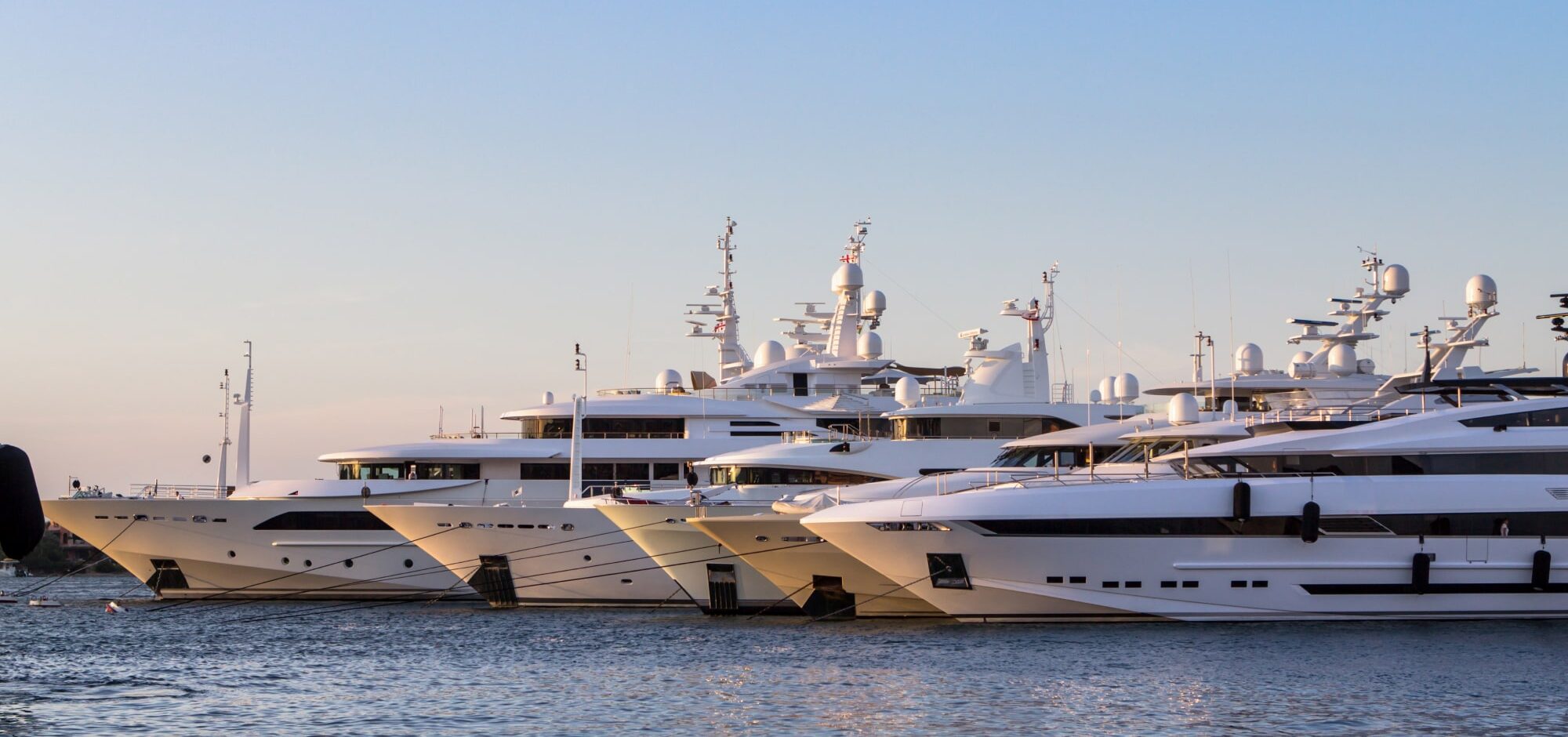
Yacht financing is a crucial aspect to consider when looking to purchase your dream boat, whether it’s a luxurious yacht or a smaller vessel. Understanding the different types of yacht loans, their requirements, and financing options can help ensure a smooth transition into boat ownership. This essential guide will explore various aspects of yacht loans and financing, allowing you to make informed choices for your yacht purchase.
What Are the Types of Yacht Loans Available?
Secured vs Unsecured Yacht Loans
When financing a boat, you’ll typically encounter two primary types of yacht loans: secured and unsecured. Secured boat loans require collateral, usually the yacht itself, which means that the lender has the right to seize the boat if you default on the loan. This type of financing often comes with lower interest rates since the lender has less risk. On the other hand, unsecured boat loans do not necessitate collateral, making them appealing for those who may not want to put their yacht at risk. However, these loans generally have higher interest rates and stricter eligibility criteria. Understanding the differences can help you make a more informed decision when looking to finance a boat and secure the best possible terms.
When exploring yacht financing, evaluating whether to opt for secured or unsecured loans is essential. Secured boat loans can enable you to borrow a larger sum, as the lender has assurance due to the collateral provided. In contrast, unsecured loans can be a good choice for those who wish to maintain ownership without the fear of repossession. However, it’s crucial to consider your financial situation and ability to repay the loan within the agreed terms before deciding. Assessing your risk tolerance alongside the benefits and drawbacks of both types of loans can lead you toward the right choice for your financial future.
New Yacht Loans vs Used Yacht Loans
Another key distinction in yacht financing is between new and used yacht loans. New yacht loans are typically easier to obtain due to the higher resale value of new boats, which can give lenders confidence in the investment. These loans often feature better interest rates and more favorable terms. Conversely, used yacht loans might come with higher interest rates, as the value of the boat depreciates over time. However, financing a used boat can be more affordable overall, as these boats are often less expensive to purchase. Ultimately, your choice of loan will depend on your budget, desired type of boat, and the financial terms that suit you best.
Deciding between new and used yacht loans is a significant factor in your yacht purchase journey. New boats typically come with warranty protections, which can alleviate concerns about costly repairs and maintenance in the initial years of ownership. Conversely, while a used boat may require more attention in terms of upkeep, it can offer substantial financial savings. Understanding the current market value of both new and used yachts can help you negotiate better terms with lenders. As you weigh the pros and cons, keep in mind your long-term goals for owning a boat, as this will impact which route you’ll take in financing.
How Yacht Loans Work for Different Types of Yachts
The structure of yacht loans can vary greatly depending on the type of boat you intend to purchase, whether it’s a sailing yacht, motor yacht, or a luxury vessel. Lenders often assess the age, condition, and intended use of the boat before extending loan offers. For instance, financing a luxury yacht may involve more stringent criteria and closer scrutiny of your financial history. Understanding how different types of yacht loans work can empower you in your yacht purchase journey and assist you in securing financing tailored to the specific type of boat you want.
Each type of yacht comes with its own set of requirements and considerations, which can impact your loan options. Luxury yachts may also come with higher loan amounts, requiring more robust financial documentation during the application process. Additionally, lenders may examine the year of the boat as a major factor in determining the available boat loans. A newer boat might attract lower interest rates, while older vessels may require you to navigate different financing structures. Therefore, being well-informed on how these factors affect your financing will allow for a smoother transaction and greater satisfaction in your dream boat purchase.
How Can I Finance a Yacht Purchase?
Steps to Apply for a Yacht Loan
Applying for a yacht loan involves several key steps that can simplify the process. First, you should assess your financial situation and establish a budget for your yacht purchase. Based on your financial capability, determine how much you are willing to borrow. Next, gather all necessary documentation, such as proof of income, credit history, and personal identification. Afterward, research various lenders and their offerings to find the best terms that suit your needs. Submit your application along with the required paperwork and await the lender’s response, which may include possible loan offers based on your creditworthiness and yacht selection.
The application process for yacht loans can be streamlined by being organized and thorough with your documentation. By taking the time to gather relevant financial information ahead of time, you can demonstrate your financial responsibility to lenders. After selecting a few potential lenders, it may be beneficial to reach out to them directly and discuss your specific needs and budget. This proactive approach can save time and help you gain clarity on the available financing options. Once you receive loan offers, carefully compare the terms and choose the best fit for your financial goals while keeping in mind the total cost of ownership, including maintenance and insurance.
Choosing the Right Yacht Dealer
Choosing the right yacht dealer is critical when financing your boat purchase. A reputable dealer can guide you through the process, providing insights into various available boats and helping you understand the financing options that make sense for your needs. Look for dealers who have established relationships with financing sources, as they can often facilitate better loan terms than you might find on your own. A knowledgeable dealer will also offer valuable information on the types of yachts available, assisting you in making an informed decision regarding your purchase. This collaborative approach can lead to a smoother financing process and a more successful boat buying experience.
The right yacht dealer can significantly impact the overall financing experience when purchasing your dream boat. Research dealers in your area and look for reviews or testimonials from previous customers to assess their reliability and customer service. A competent dealer can assist you in navigating negotiations with lenders, ensuring that you secure the best financing rates available. Furthermore, a dealer’s expertise can help you identify potential pitfalls in the financing process, allowing you to avoid common mistakes. Establishing a strong rapport with your dealer can also prove invaluable, as they may be able to offer personalized advice tailored to your unique circumstances.
Using a Yacht Loan Calculator to Estimate Costs
A yacht loan calculator can be an invaluable tool when looking to finance your boat purchase. It allows you to input the loan amount, interest rate, and term, providing an estimated monthly payment that can help you assess affordability. Utilizing a boat loan calculator helps paint a clearer picture of the overall cost of ownership, including the principal, interest, and any additional fees that may be associated with the loan. By having a better understanding of potential monthly payments, you can make informed decisions about your yacht financing options and choose a loan that aligns with your budget.
Using a yacht loan calculator enables you to create financial simulations based on various scenarios, adjusting the loan amount, interest rate, or term length to see how these factors affect your monthly expenses. This can be particularly useful when trying to determine how much you can realistically afford to borrow for a new or used boat. Moreover, it can help you compare different loan options from various lenders, allowing you to spot the best terms available in the market. Gathering this important data empowers you to negotiate better terms and better prepares you for conversations with lenders, ultimately leading to a more successful financing experience.
What Do I Need to Know About Taking Out a Yacht Loan?
Average Interest Rates on Yacht Loans
Average interest rates on yacht loans can vary significantly based on several factors, including your credit score, loan term, and the type of yacht you are purchasing. Typically, lenders offer lower interest rates for secured loans due to reduced risk, while unsecured yacht loans may come with a higher rate. It’s essential to shop around and compare rates from multiple lenders to ensure you’re getting the best deal possible. Understanding how these rates affect your monthly payments can help you make educated decisions when choosing a yacht loan.
When considering yacht financing, it’s crucial to stay informed about the average interest rates available in the current market. Interest rates fluctuate, so timing your purchase can lead to significant savings. Additionally, higher credit scores can open the door to lower rates, which highlights the importance of maintaining a good credit history when applying for a yacht loan. Be proactive in discussing your financial situation with potential lenders, as they may offer options specifically tailored to your needs. By negotiating interest rates and understanding the implications on your long-term financial planning, you can effectively manage the costs associated with owning a boat.
Documents Required for Loan Application
When applying for a yacht loan, lenders generally require specific documentation to assess your creditworthiness and ability to repay the loan. Commonly required documents include proof of income, employment verification, tax returns, and a detailed list of your assets and liabilities. Additionally, lenders may ask for information regarding the yacht you wish to finance, such as its age, price, and condition. Being prepared with the necessary documents can significantly expedite the application process and enhance your chances of approval.
Preparing your documentation ahead of time is essential to ensure a smooth yacht loan application process. Lenders typically require a comprehensive view of your financial standing, so providing an accurate picture of your income and expenses is crucial. Having your financial documents in order will not only expedite the process but also demonstrate your seriousness to potential lenders. Additionally, understanding what type of boat you wish to purchase, including its specifications and estimated value, can help in negotiating better terms. By being thorough and prepared, you can enhance your likelihood of receiving favorable loan offers.
Understanding Loan Terms and Repayment Plans
Before committing to a yacht loan, it’s vital to thoroughly understand the loan terms and repayment plans available. Loan terms can vary significantly, with typical durations ranging from 5 to 20 years, impacting your monthly payment amounts and overall interest paid. Ensure you are aware of any fees associated with the loan, including origination fees or prepayment penalties, as these can add to the total cost of borrowing. A clear understanding of your repayment plan will help you manage your budget effectively and prepare for future financial obligations.
Comprehending the specific terms associated with your yacht loan is essential for achieving financial stability in your boat ownership journey. Each lender may offer different structures regarding monthly payments and interest rates, and it’s vital to ensure these align with your financial goals. Additionally, consider scenarios such as early repayment; some lenders may impose penalties for paying off the loan early. As a prospective yacht owner, being knowledgeable about these details will enable you to make informed decisions, manage potential risks, and avoid financial distress in the long run.
Can I Get a Yacht Loan for My Dream Yacht?
Financing Options for Luxury Yachts
When looking to finance a luxury yacht, there are several options available to make your dream boat ownership a reality. Many lenders specialize in high-value loans and offer tailored financing solutions to accommodate the unique needs of luxury yacht buyers. Depending on your credit profile and the value of the yacht, you may secure competitive interest rates and favorable loan terms. Additionally, some lenders might provide specialized services, such as yacht appraisals, to assist in determining the yacht’s value and facilitating a smoother financing process.
Financing a luxury yacht often requires a different approach compared to more conventional boat loans. Given the higher costs associated with luxury vessels, potential buyers will likely need to engage with lenders who have experience in this niche market. Luxury yacht financing can also involve larger down payments, which reflect the substantial investment these boats represent. Being financially prepared and demonstrating a solid credit history can boost your chances of obtaining favorable financing terms for your dream yacht. Exploring multiple financing options, including marine loans and specialized yacht financing, can help you find the best deal to suit your lavish lifestyle.
Pre-Approval Process for High-Value Yachts
The pre-approval process for securing a yacht loan, particularly for high-value yachts, is an essential step that can streamline your purchase. By getting pre-approved, you’ll have a clearer understanding of your borrowing capacity, which will enhance your negotiating power with boat dealers. During this process, lenders assess your financials and creditworthiness, allowing you to identify any potential issues before making a large investment. Pre-approval can also expedite the overall loan application process when you find your ideal yacht.
Obtaining pre-approval for your yacht loan can instill confidence in your purchasing power and provide clarity on your financial commitments. Lenders typically evaluate your credit score, income, and other financial factors to determine your eligibility for financing. This step is particularly crucial when financing high-value yachts as it enables you to establish a budget and understand the financing landscape. Furthermore, pre-approval can aid in securing more competitive loan terms, as lenders appreciate buyers who come prepared. Ultimately, approaching the pre-approval phase with diligence can lead to a smoother yacht acquisition process.
Common Mistakes When Financing Your Dream Yacht
Financing your dream yacht can be an exciting yet complex journey, and avoiding common mistakes is crucial for a successful purchase. One frequent error is underestimating additional costs associated with boat ownership, such as maintenance, insurance, and dockage fees, which can significantly impact your financial stability. Another mistake is not shopping around for the best loan terms; failing to compare offers from various lenders can lead you to miss out on better interest rates and conditions. Being aware of these pitfalls can enhance your boat financing experience and lead you toward satisfying ownership.
Purchasing your dream yacht requires careful planning and consideration to avoid common financing missteps. Many potential yacht owners overlook the long-term financial implications of yacht ownership, including unexpected expenses that can arise post-purchase. Additionally, being too focused on the loan approval process may lead you to overlook critical factors, such as the yacht’s depreciation and how it affects your financing. Allocating sufficient time to thoroughly research and compare financing options can prevent costly mistakes. By remaining vigilant and informed throughout the process, you can navigate the complexities of yacht financing more effectively.
How to Improve Your Chances of Getting a Yacht Loan?
Factors Lenders Consider for Yacht Financing
When applying for a yacht loan, lenders take into account several factors that influence their decision to approve your financing application. Key aspects include your credit score, income stability, and debt-to-income ratio, which provides insight into your ability to repay the loan. Additionally, the age and condition of the yacht you intend to purchase play a role in the lender’s assessment, as these factors impact the boat’s resale value. Understanding these criteria can help you prepare and enhance your chances of securing favorable yacht financing.
Each lender may prioritize different aspects during the approval process, but generally, a good credit score and solid financial history are crucial. Demonstrating a track record of responsible financial management can significantly improve your eligibility. Moreover, lenders may evaluate the loan-to-value ratio of the yacht, which reflects the amount you are financing relative to the yacht’s market value. This ratio is important for lenders as it helps them gauge their risk. Having a clear understanding of these factors will allow you to strengthen your application and approach lenders with confidence.
Tips for Building Good Credit Before Applying
Building good credit is essential in improving your chances of securing a yacht loan with favorable terms. Start by checking your credit report for any inaccuracies and promptly addressing any discrepancies. Consistently making payments on time, whether for loans or credit cards, can demonstrate your reliability to lenders. Maintaining a low credit utilization ratio by keeping credit card balances low relative to their limits can also have a positive impact. Taking these proactive steps can enhance your credit score, making you a more attractive candidate for yacht financing.
Establishing a strong credit profile before applying for a yacht loan can significantly influence your financing experience. Aiming for a credit score of 700 or above is ideal, as it opens doors to better rates and terms. Regularly monitoring your credit report ensures you stay informed of any changes that may impact your score. Additionally, dealing with outstanding debts by paying off high-interest accounts can improve your overall financial standing. Building a solid credit history not only increases your chances of obtaining a loan but can also save you money over time due to lower interest rates.
Preparing Your Finances for Yacht Ownership
Preparing your finances for successful yacht ownership involves more than just securing a loan. Assessing your total budget for not only the yacht purchase but also ongoing costs such as maintenance, insurance, and mooring fees is crucial. Liability insurance is particularly important, as lenders may require it to protect their investment. Creating a detailed financial plan can help guide your decision-making process and ensure that you’re ready for the responsibilities that come with owning a boat. By taking the time to prepare, you can enhance your financial stability and enjoy yacht ownership with less anxiety.
In addition to developing a financial plan, conducting thorough research on the ongoing costs associated with yacht ownership is vital. Many new boat owners underestimate expenses like repairs or seasonal maintenance, which can quickly accumulate. Consulting with existing yacht owners or financial advisors can shed light on potential hidden costs. Furthermore, it’s beneficial to establish an emergency fund to cover unexpected repairs or emergencies. By embracing a comprehensive approach to your financial preparation, you can navigate the challenges of yacht ownership while enjoying the fruits of your investment.
What Should I Consider When Owning a Yacht?
Ongoing Costs of Yacht Ownership
Owning a yacht comes with various ongoing costs that new boat owners should be prepared for. These expenses can include routine maintenance, insurance premiums, mooring fees, and fuel costs. Additionally, don’t forget to factor in the costs related to crew salaries if you choose to employ staff for larger yachts. Understanding these ongoing costs ensures you are financially equipped to maintain your yacht and enjoy boating without unexpected financial strain. It’s essential to create a budget that incorporates these factors, allowing you to plan effectively for your boat ownership expenses.
Recognizing the ongoing costs of yacht ownership is a crucial part of financial planning. Maintenance expenses can range from minor repairs to significant overhauls, depending on the age and condition of the boat. Insurance requirements may also vary, with robust coverage being recommended to protect your investment and comply with lender stipulations. In addition to fixed costs, variable expenses like fuel and docking fees should be anticipated, especially during peak seasons. By comprehensively budgeting for these costs, you can ensure a better experience as a yacht owner
Featured Listings
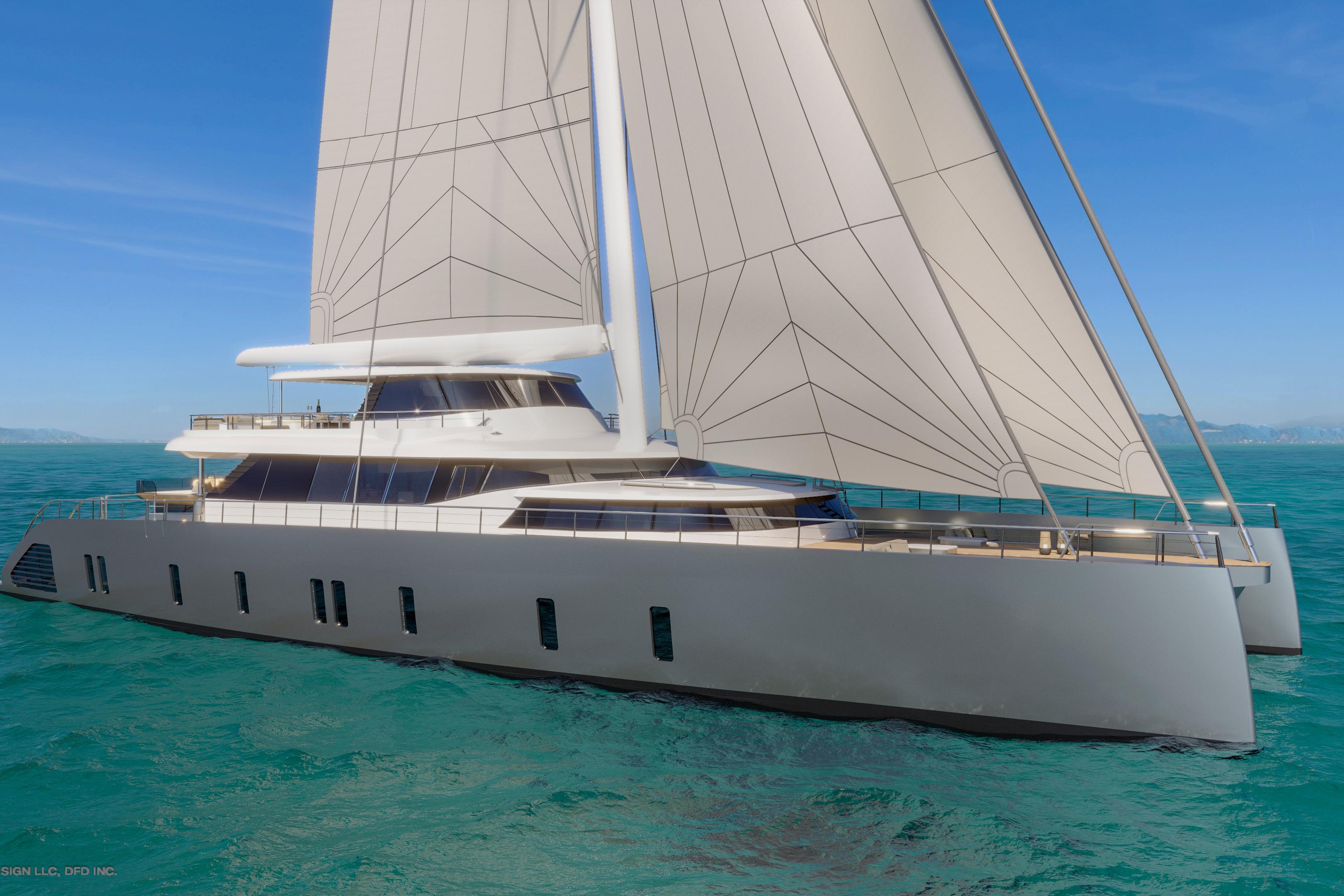
2028 Dynamic Project Garfield
$35,000,000
124 ft
Savannah Georgia
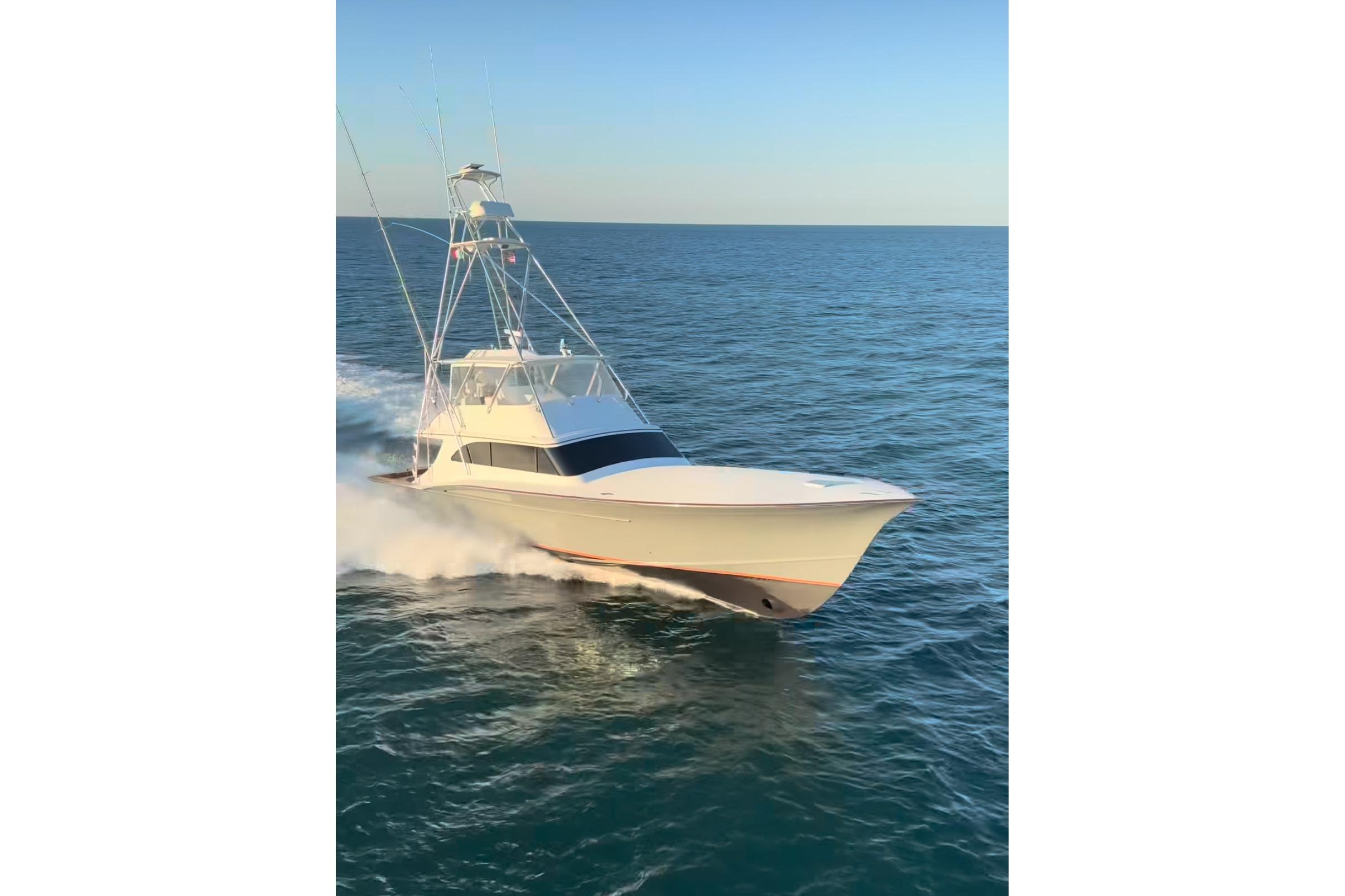
2006 Blackwell
$6,500,000
66 ft
Wanchese North Carolina
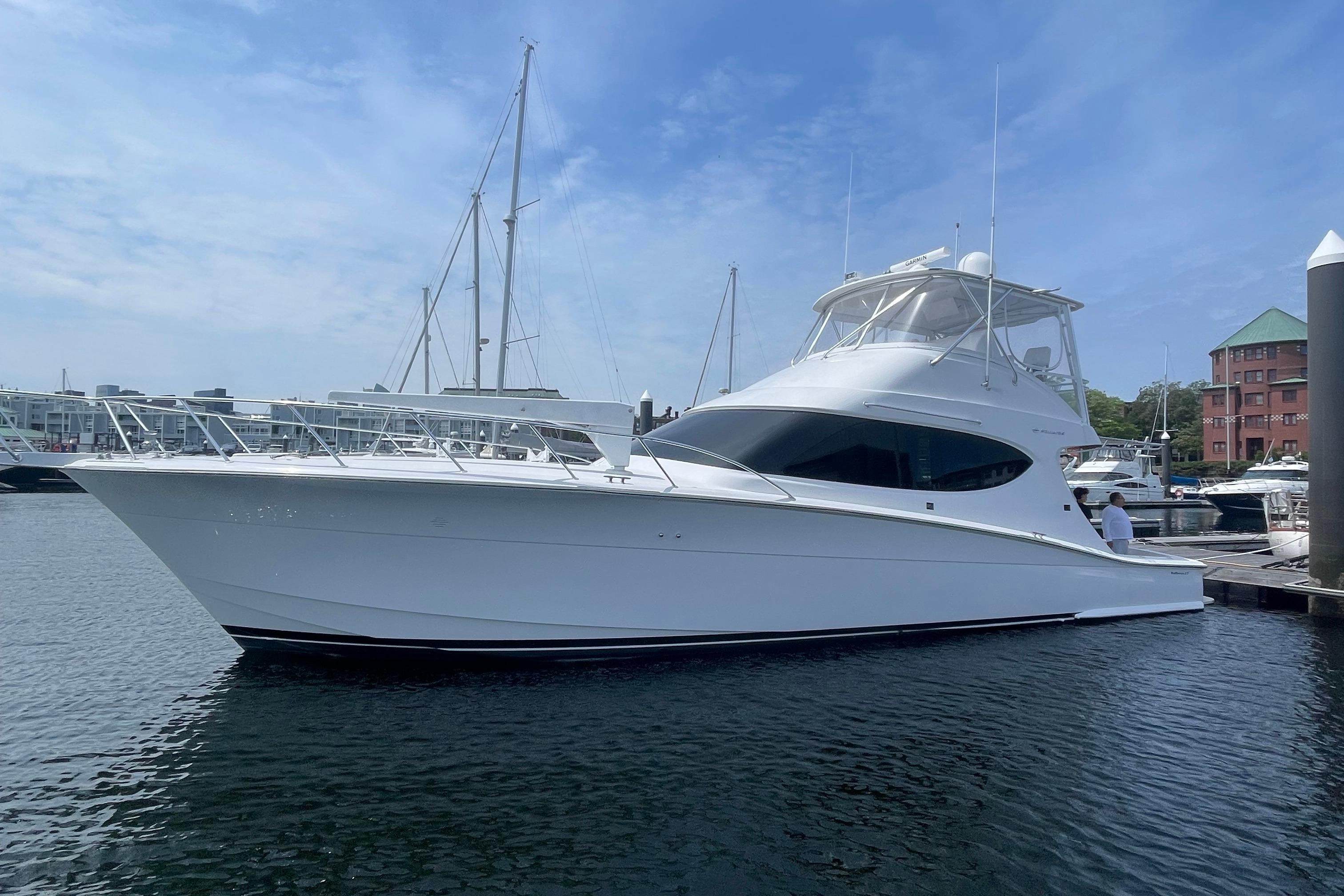
2013 Hatteras Relentless
$1,450,000
53.83 ft
Charlestown Massachusetts

2005 Post Backlash
$625,000
50.58 ft
Barrington Rhode Island
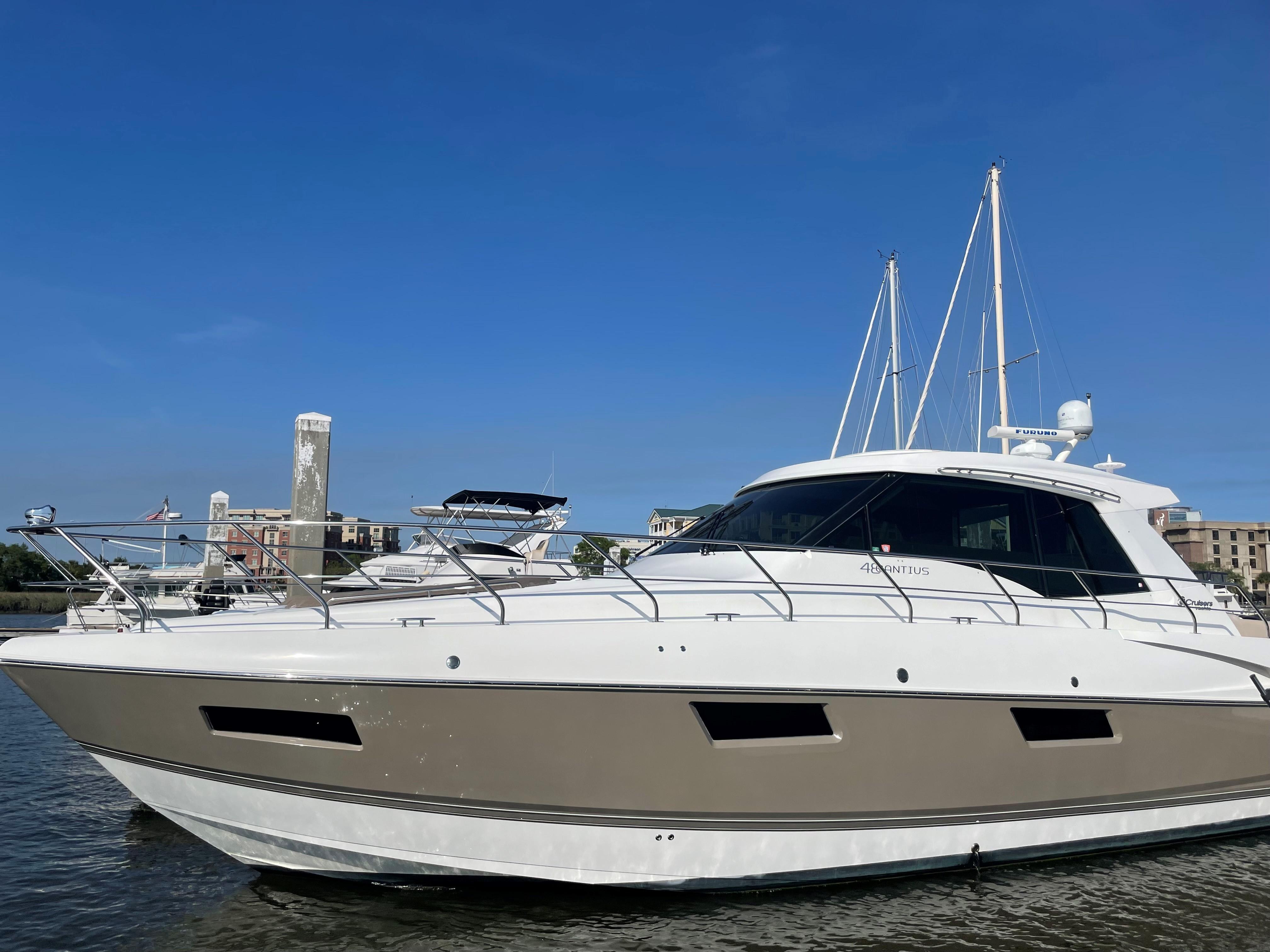
2012 Cruisers Yachts Seaquell
$525,000
48.5 ft
Narragansett Rhode Island
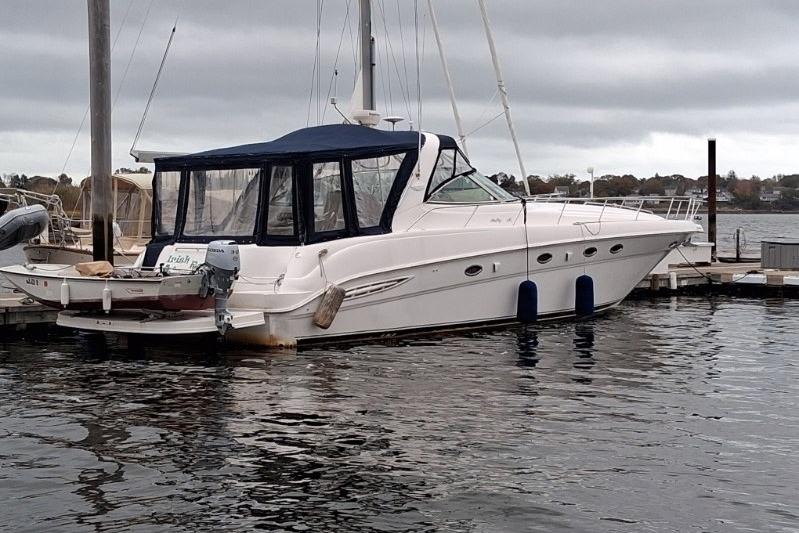
2000 Sea Ray Irish Rover
$129,000
46 ft
Braintree Massachusetts

2025 Jupiter Madnic
$1,498,000
43.08 ft
Manchester Massachusetts

2001 Silverton Straight II Voicemail
$179,900
42 ft
Braintree Massachusetts

2005 Cabo
$425,000
40 ft
Barrington Rhode Island

2001 Catalina
$115,000
38.67 ft
Fort Pierce Florida